

































The Complete Guide to Buying Deanta Internal Doors
Choosing new internal doors can make a significant difference to the appearance, comfort and character of your home. Although flooring, paint colours and furniture often receive the most attention during a renovation, internal doors are one of the few features that appear throughout almost every room.
A well-chosen internal door can complement your décor, improve privacy, reduce noise and create a more consistent finish across the property. Whether you are replacing one damaged door, renovating several rooms or fitting out an entire new-build home, choosing the right design, finish and construction is important.
Deanta has become one of the most recognised internal door brands in the UK, offering a wide selection of oak, white primed, walnut, grey, black, glazed and fire-rated doors. This guide explains the main options available and helps you understand what to consider before ordering.
When you are ready to choose your doors, browse our complete range of Deanta internal doors available from Tools & Timber.
Why Choose Deanta Internal Doors?
Deanta is known for producing high-quality internal doors that combine attractive designs with dependable engineered construction. Its collections include styles suitable for contemporary apartments, traditional houses, modern extensions, rental properties, renovation projects and new-build developments.
Many Deanta internal doors feature an engineered solid core rather than the lightweight hollow construction found in some cheaper alternatives. This gives the door a more substantial feel while helping to improve strength, stability and sound reduction.
The engineered construction is designed to reduce the risk of excessive movement caused by normal changes in temperature and humidity. This makes Deanta doors a popular choice among homeowners, builders, property developers and professional installers looking for a reliable internal door.
Another advantage of choosing Deanta is the availability of coordinated solid, glazed and fire-rated doors across many collections. This allows you to maintain a consistent design throughout the property, even where different rooms require different types of door.
Key benefits of Deanta doors
Deanta doors are available in a wide choice of modern and traditional designs, with many ranges offering matching glazed and FD30 fire-door versions. Depending on the collection, doors may be supplied prefinished, unfinished or white primed.
The combination of engineered construction, carefully selected veneers, contemporary designs and coordinated options makes Deanta suitable for both individual replacement doors and larger whole-house projects.
Why Are Internal Doors Important?
Internal doors do much more than separate one room from another. They contribute to the overall style of a property and can influence how bright, spacious and coordinated the interior feels.
Replacing dated, damaged or mismatched doors can quickly modernise a home without requiring major structural work. Choosing one coordinated door range throughout a property can create a more considered and professional finish.
Internal doors can also help improve privacy and reduce the amount of sound travelling between rooms. A more substantial engineered door will generally feel stronger and more solid than a lightweight hollow-core alternative.
Glazed doors can help natural light move between rooms, while fire-rated doors may be required in certain areas to help slow the spread of fire and smoke. This means the right internal door should be chosen for both its appearance and its practical purpose.
Types of Deanta Internal Doors
Deanta offers a broad selection of finishes, colours, panel arrangements and glazing options. Understanding the main door types will help you narrow down the best choice for your property.
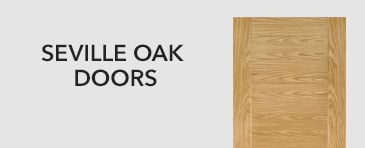
Deanta oak internal doors
Oak internal doors remain one of the most popular choices for UK homes. The natural grain and warm colouring of oak work well with both traditional and contemporary interiors.
An oak door can complement timber flooring, neutral wall colours, painted skirting boards and a wide range of door furniture. It can be paired with polished chrome hardware for a modern finish or darker handles and hinges for a more traditional or industrial appearance.
Deanta oak doors are available in numerous styles, including panelled, cottage-style, grooved, glazed and minimalist designs. Depending on the particular collection, the door may be supplied unfinished or with a factory-applied finish.
Prefinished oak doors offer a convenient option because the visible faces have already been coated. Unfinished doors provide greater flexibility for customers who want to apply their own suitable finish or coordinate the door with existing woodwork.
Deanta white primed internal doors
White primed internal doors are highly versatile and work particularly well in modern homes, new builds, rental properties and renovation projects.
The primed surface provides a suitable base for a final paint finish. This allows the doors to be painted white or finished in another suitable colour to complement the surrounding décor.
White doors can make interiors feel bright, clean and spacious. They are particularly effective in rooms with neutral colour schemes, modern skirting boards and contemporary handles.
It is important to remember that a white primed door normally requires a suitable final coat before installation is complete. Always follow the finishing instructions supplied with the individual door.
Deanta walnut internal doors
Walnut internal doors provide a rich, darker appearance that can create a luxurious and distinctive interior. Their deeper colouring works particularly well in modern homes, offices, apartments and properties with neutral walls or light-coloured flooring.
Walnut doors can be paired with chrome, satin, black or brass-effect hardware depending on the required style. The contrast between the dark timber appearance and lighter surrounding surfaces can make the doors a prominent design feature.
Deanta grey internal doors
Grey internal doors offer a contemporary alternative to natural timber and traditional white finishes. They can complement modern kitchens, grey flooring, neutral walls and minimalist interiors.
Grey tones are useful where the customer wants a softer look than black but a more distinctive finish than white. Depending on the selected collection, grey doors may feature a smooth painted appearance or a visible ash-style grain.
Deanta black internal doors
Black internal doors have become increasingly popular in contemporary interior design. They create a strong contrast against light walls and can provide a modern, architectural appearance.
Black doors work particularly well with black door handles, industrial-style lighting, monochrome colour schemes and modern glazed partitions. They can be used throughout a property or selected as feature doors in key rooms.
Solid and Glazed Deanta Doors
Many Deanta collections include both solid and glazed versions of the same design. This makes it easier to maintain a consistent appearance across the home while selecting the most suitable door for each room.
Solid internal doors
Solid doors provide privacy and are commonly used for bedrooms, bathrooms, utility rooms, storage rooms and other areas where visibility between rooms is not required.
A solid engineered door may also provide better sound reduction than a glazed door, although the final performance will depend on the complete installation, including the frame, seals, gaps and surrounding structure.
Glazed internal doors
Glazed internal doors allow natural light to pass between rooms while still creating a physical division between spaces. They are especially popular between kitchens, dining rooms, living rooms, hallways and home offices.
In darker properties, replacing a solid door with a suitable glazed alternative can help make connecting rooms and corridors feel brighter and more open.
Deanta glazed doors are available with different glazing arrangements depending on the collection. Options may include large clear glass panels, narrow vertical glazing, multiple glazed sections or decorative designs.
Before ordering, check the product details to confirm whether the glass is clear, frosted, obscure or decorative. The most suitable option will depend on the room, the level of privacy required and the overall design of the property.
Deanta Fire Doors
Fire doors are designed and tested to help resist the spread of fire for a specified period when correctly installed with compatible components.
An FD30 fire door is designed to offer at least 30 minutes of fire resistance under the relevant test conditions. However, the door leaf is only one part of a complete fire-door installation.
The frame, hinges, latch, closer, intumescent strips, smoke seals, glazing and other components may all contribute to the performance of the complete doorset. For this reason, a fire door should be installed by a competent person in accordance with the manufacturer’s instructions and the applicable requirements.
Fire doors may be required in locations such as loft conversions, certain multi-storey homes, doors between a house and an integral garage, apartment buildings and some commercial premises. The precise requirements will depend on the property and the applicable Building Regulations.
Many Deanta ranges include matching FD30 fire-door versions, helping you maintain the same design across standard and fire-rated openings.
Never assume that a standard door can be used where a certified fire door is required. Check the specification of the individual product and seek professional building-control advice where necessary.
Traditional or Contemporary Door Styles
The style of the property can help determine which Deanta door design will work best. However, the final choice is also influenced by the flooring, architraves, skirting boards, handles, wall colours and furniture.
Traditional internal doors
Traditional interiors often work well with panelled doors, cottage-style designs, natural oak finishes and decorative glazing. These styles can complement period properties, country homes, cottages and more classically decorated rooms.
A traditional door does not necessarily need ornate detailing. Simple panel arrangements can provide character while still looking clean and understated.
Contemporary internal doors
Modern interiors often suit doors with clean lines, vertical grooves, flush surfaces, narrow glazing panels and minimalist detailing.
White, grey and black doors can create a particularly contemporary appearance, while simple oak doors offer a warmer modern finish.
The choice of ironmongery can also affect the overall look. Straight lever handles, concealed-style fittings and darker finishes can make a simple door feel more modern.
Choosing the Correct Internal Door Size
Ordering the correct door size is essential. Internal doors are available in several standard UK dimensions, but older properties and altered openings may not match a standard size exactly.
Common internal door sizes include approximately 1981mm in height with widths such as 610mm, 686mm, 762mm and 838mm. Other sizes may also be available depending on the Deanta collection and whether the door is standard, glazed or fire rated.
Always check the exact dimensions shown on the individual product page before placing your order.
How to measure for an internal door
Measure the existing door leaf rather than relying only on the size of the opening. Record the height, width and thickness in millimetres.
Take measurements at more than one point, as older doors and frames may not be perfectly square. Check the width at the top, centre and bottom, and measure the height on both sides.
You should also confirm the required door thickness. Standard internal doors and fire doors may be supplied in different thicknesses, and the frame must be suitable for the selected door.
Where a new frame is being installed, your installer should confirm the appropriate door size and the clearances required around the leaf.
Can Deanta doors be trimmed?
Many internal doors allow a limited amount of trimming, but the permitted amount varies between products. Excessive trimming can damage the door, expose the core, affect the appearance or invalidate the manufacturer’s guarantee.
Fire doors have particularly strict requirements. Trimming a fire door outside the permitted limits may affect its certification and performance.
Always refer to the individual Deanta fitting and trimming instructions before altering the door.
Prefinished, Unfinished and Primed Doors
The finish supplied on the door affects the amount of preparation required before installation.
Prefinished doors
Prefinished doors have received a factory-applied coating to the main visible surfaces. This saves time and provides a consistent appearance.
However, any trimmed edges, hinge recesses, latch cut-outs or exposed timber may still need to be sealed in accordance with the manufacturer’s instructions.
Prefinished doors are a convenient choice for customers who want to reduce decorating work and achieve a uniform finish across several doors.
Unfinished doors
Unfinished doors allow the customer to apply a suitable finish after purchase. This can be useful when matching existing joinery or creating a particular colour or sheen.
All faces and edges normally need to be finished correctly, including the top and bottom edges. Leaving part of the door unsealed may expose it to uneven moisture absorption and increase the risk of movement.
Use only products suitable for the specific door and follow the manufacturer’s instructions carefully.
White primed doors
A white primed door has been prepared with a base coating but normally requires an appropriate final paint finish.
The primed surface may need light preparation before painting. Check the product instructions and use a compatible coating system.
Choosing Internal Door Furniture
Door furniture has a major influence on the finished appearance and operation of the door. The main components may include handles, hinges, latches, locks, bathroom turns, door stops and closers.
Door handles
Lever handles are available in numerous shapes and finishes. Popular choices include polished chrome, satin chrome, black, brass-effect and stainless-steel finishes.
Choose a handle that is comfortable to operate and suitable for the weight and style of the door. Using the same handle range throughout a property can help create a coordinated finish.
Hinges
The correct number and type of hinges should be selected for the door’s weight, thickness and intended use.
Heavier engineered doors may require three suitable hinges. Fire doors require compatible fire-rated hinges fitted in accordance with the door certification and installation instructions.
Latches and locks
A standard tubular latch may be suitable for many rooms, while bathrooms and bedrooms may require a privacy lock or bathroom lock.
The latch and lock must be compatible with the handle, door thickness and intended use. Fire-door installations may require specific tested components.
Which Deanta Door Is Best for Each Room?
Living rooms and dining rooms
Living and dining areas can benefit from glazed doors that allow light to move through the property. A solid door may be more suitable where privacy or sound reduction is the priority.
Kitchens
Glazed doors are often chosen for kitchens because they can improve visibility and natural light between the kitchen, hallway and dining areas.
Where fire separation is required, confirm whether a suitable glazed fire door is necessary.
Bedrooms
Solid doors are generally preferred for bedrooms because they provide greater privacy. A substantial engineered door can also help reduce everyday household noise when correctly fitted.
Bathrooms
Bathroom doors normally require privacy and suitable locking hardware. The door should be correctly finished on every face and edge to help protect it from changing humidity levels.
Direct and prolonged exposure to excessive moisture should still be avoided unless the product is specifically designed for that environment.
Home offices
A glazed door can allow borrowed light into a home office, while a solid door may offer better visual privacy and fewer distractions. The best choice will depend on the room’s position and how it is used.
Hallways and darker areas
Glazed doors can be particularly effective in hallways, landings and darker parts of the home. They allow daylight from brighter rooms to reach areas with limited windows.
Installing Deanta Internal Doors
Correct installation is important for the appearance, operation and lifespan of an internal door.
The door should be stored flat in a dry, well-ventilated area and allowed to acclimatise in accordance with the manufacturer’s instructions. It should not be installed in a building that is still excessively damp from wet trades such as plastering or screeding.
The frame should be square, secure and appropriate for the door. Clearances must be suitable, and all permitted trimming should be carried out carefully.
Any exposed timber created during fitting should be sealed promptly using a suitable product. This includes hinge recesses, latch cut-outs and trimmed edges where applicable.
Due to the weight and value of an engineered door, professional installation is often recommended. Fire doors should always be fitted by a competent person who understands the applicable certification and installation requirements.
Caring for Deanta Internal Doors
Regular care will help maintain the appearance and operation of your doors.
Remove dust using a soft, dry or slightly damp cloth. Avoid abrasive cleaners, harsh chemicals and excessive amounts of water.
Check the hinges, handles and latches periodically and tighten any loose fixings where appropriate. Address rubbing, sticking or movement promptly rather than allowing the problem to worsen.
Maintain reasonable indoor temperature and humidity levels. Sudden or extreme changes in moisture can affect timber and timber-based products.
For unfinished, primed or altered doors, follow the finishing and maintenance guidance supplied with the product.
Frequently Asked Questions About Deanta Doors
Are Deanta internal doors good quality?
Deanta is widely recognised for producing high-quality engineered internal doors in a broad selection of designs and finishes. The suitability of a particular door will depend on the room, required size, finish and whether a standard or fire-rated product is needed.
Are Deanta doors solid?
Many Deanta internal doors feature an engineered solid core. However, construction can vary between products, so the individual specification should always be checked before ordering.
Do Deanta doors arrive finished?
Some Deanta doors are supplied prefinished, while others are unfinished or white primed. The finish will be clearly stated within the individual product information.
Can Deanta doors be painted?
White primed Deanta doors are intended to receive a suitable final paint finish. Other doors should only be painted or refinished where this is permitted by the manufacturer.
Can Deanta oak doors be stained?
Unfinished oak doors may allow the application of a suitable stain or finish, subject to the manufacturer’s instructions. Prefinished doors should not be altered unless the proposed treatment is approved for the product.
Are matching glazed doors available?
Many Deanta collections include matching glazed versions, allowing natural light to pass between selected rooms without changing the overall door style used throughout the home.
Are matching fire doors available?
Many collections include coordinated FD30 fire-door options. Availability depends on the design, size and finish required.
Do glazed Deanta doors include the glass?
Many glazed Deanta doors are supplied with the glass already fitted, but this should be confirmed on the individual product page before ordering.
Can I fit Deanta doors myself?
An experienced person with the correct tools may be able to install a standard internal door. However, engineered doors can be heavy and require accurate fitting. Professional installation is recommended where the customer is uncertain.
Fire doors require particular care and should be installed by a competent person in accordance with the certification and applicable requirements.
What size hinges do I need?
The hinge size, type and number will depend on the door’s weight, thickness and use. Fire doors require appropriate fire-rated hinges. Seek professional advice where necessary.
How should Deanta doors be stored before installation?
Doors should generally be stored flat in a dry, ventilated area away from direct heat, moisture and sunlight. Follow the storage instructions supplied with the product.
Why Buy Deanta Internal Doors from Tools & Timber?
Tools & Timber supplies a carefully selected range of genuine Deanta internal doors for homeowners, tradespeople, builders and property developers.
Our collection includes modern and traditional designs across a choice of oak, white, grey, black, walnut, glazed and fire-rated options.
We understand that ordering doors involves more than simply choosing a design. Size, thickness, finish, glazing, trimming allowances and fire-rating requirements must all be considered before purchase.
Our team can help you identify suitable options and provide product information to support your decision. For projects involving fire regulations, structural alterations or unusual openings, appropriate professional advice should also be obtained.
Browse Deanta Internal Doors Online
Whether you are renovating one room or replacing every internal door in your property, Deanta offers a wide range of coordinated designs to suit different interiors and practical requirements.
Choose from warm oak veneers, versatile white primed doors, contemporary grey and black finishes, distinctive walnut designs, light-enhancing glazed doors and coordinated FD30 fire doors.
Explore our complete collection of Deanta internal doors and find the right style, size and finish for your project.